



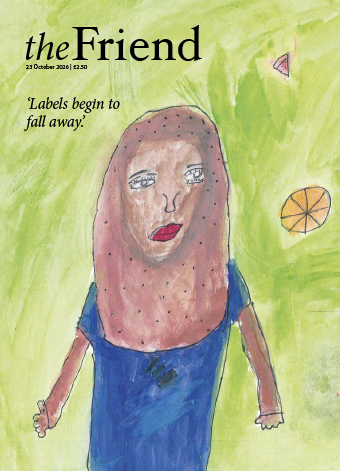
The Friend is a weekly magazine in which Friends speak to each other and to the wider world, offering their insight, ideas, news, nurture and inspiration.
Nurturing Quaker community, each issue offers a space for Friends to share their concerns, and to support each other in faith and witness.
The Friend: enriching, inspiring and connecting the Quaker community since 1843.
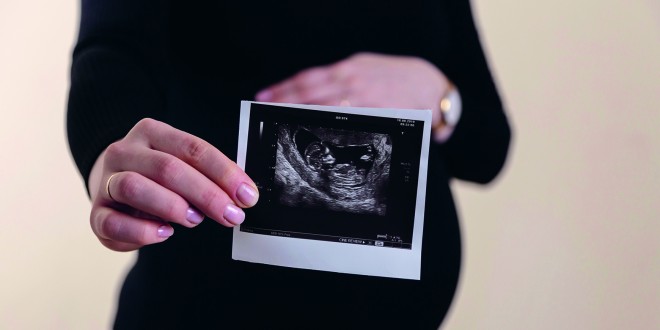
My first child will be born soon, and I imagine the world we will share with them. We know what the science says, or screams. The actuaries are calmly predicting deaths in the billions. Climate crises and the breakdown of our economic and political systems are no longer disasters to be avoided. We should never stop banging the drum to limit the damage, but it is obvious now that all this is inevitable. It is a landslide on a scale we can barely even fathom. Everything had to change years ago, and it didn’t.
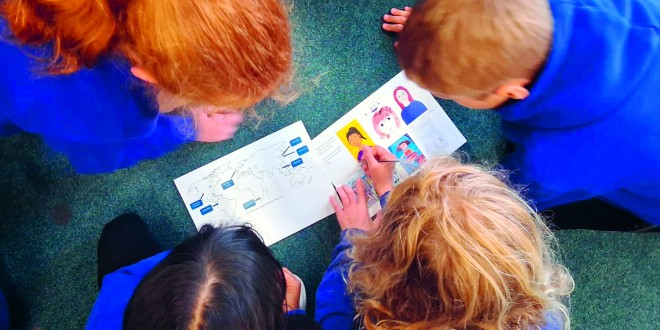
What if a simple self-portrait could help children and young people build empathy, challenge stereotypes and make friends across borders?
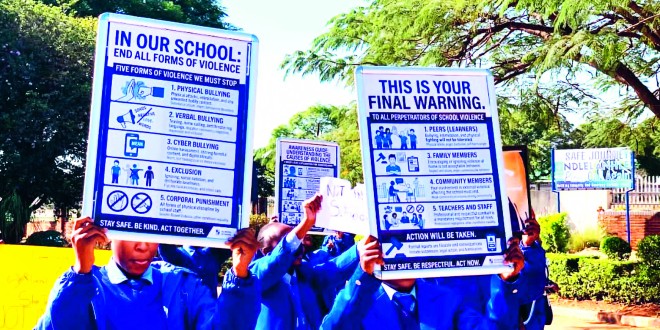
In October last year, hundreds of pupils from primary and secondary schools in Bulawayo, Zimbabwe, took to the streets in a peace march, demanding an end to violence in their schools and an end to the drug and alcohol abuse which fuels it. The march was a response to an appeal by the education authority to pupils, teachers, parents and NGOs to address the crisis facing this generation of Zimbabwean young people. The future for so many of them is truly bleak. Job opportunities are very poor, there is a ‘parenting deficit’ for many children whose parents have had to leave Zimbabwe to seek work in neighbouring countries. Many children lack firm boundaries and get involved with gangs or negative peer groups in the absence of more positive ones. Drug and alcohol abuse is rife, which fuels violent behaviour not only in communities but within schools.
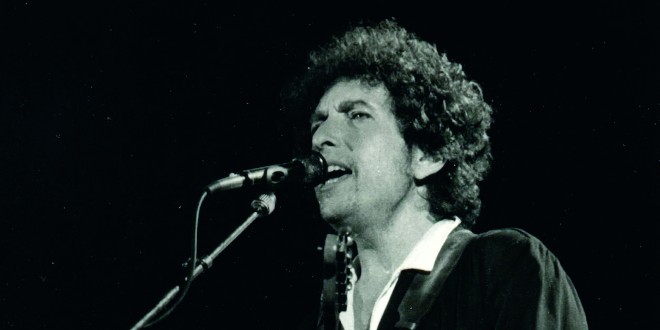
When the Friend published the first two parts of my Bob Dylan articles in March 2026, I knew I needed to complete the trilogy. I couldn’t bring myself to write the final part because it was to be about encountering that raw skeleton laid out across war and peace. My personal involvement in the practical plans for a Silent Walking Vigil were already taking shape, and I didn’t want the distraction of the singer’s requiems to sidetrack me.

First, the food: cooked onsite by us lot – two square meals a day. I ate better than I do on the outside, or at least better for me.
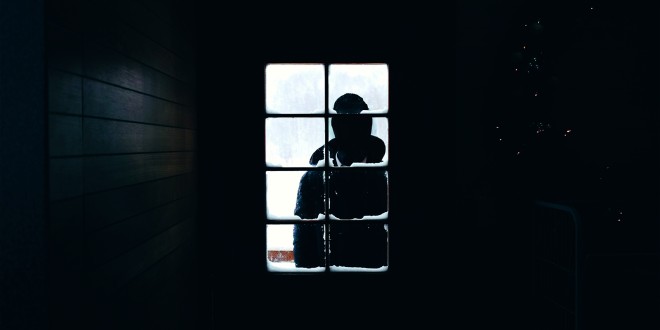
As if potent hands
had scooped entire the ocean
and thrown it at us.



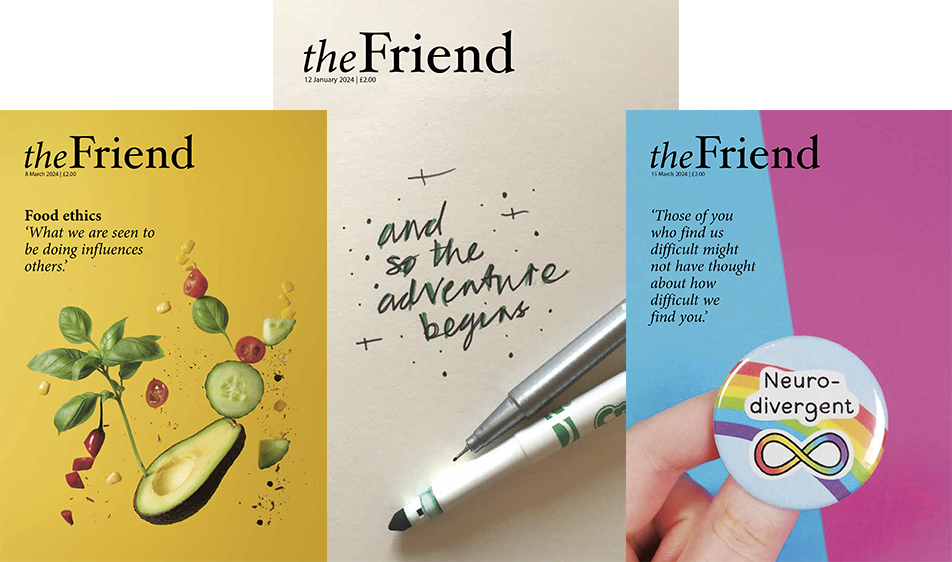
Become a subscriber to enjoy unlimited access to our articles, dating back to 2009! Online subscribers get the Friend to their inbox each week, can comment on articles, and dive into our 1914-18 digital archive too!
Whether you are new to Quakerism or have been going to Meeting for years, you’ll find something here to inspire, inform and challenge you.
News | Views | Reviews
Written by and for Friends on the bench
Subscribe